



Total ₹70.00
Why Organic Farming Is Better for the Environment
-
naturalorganics63
- Posted on
- Categories:Family, Home
- 1 comment
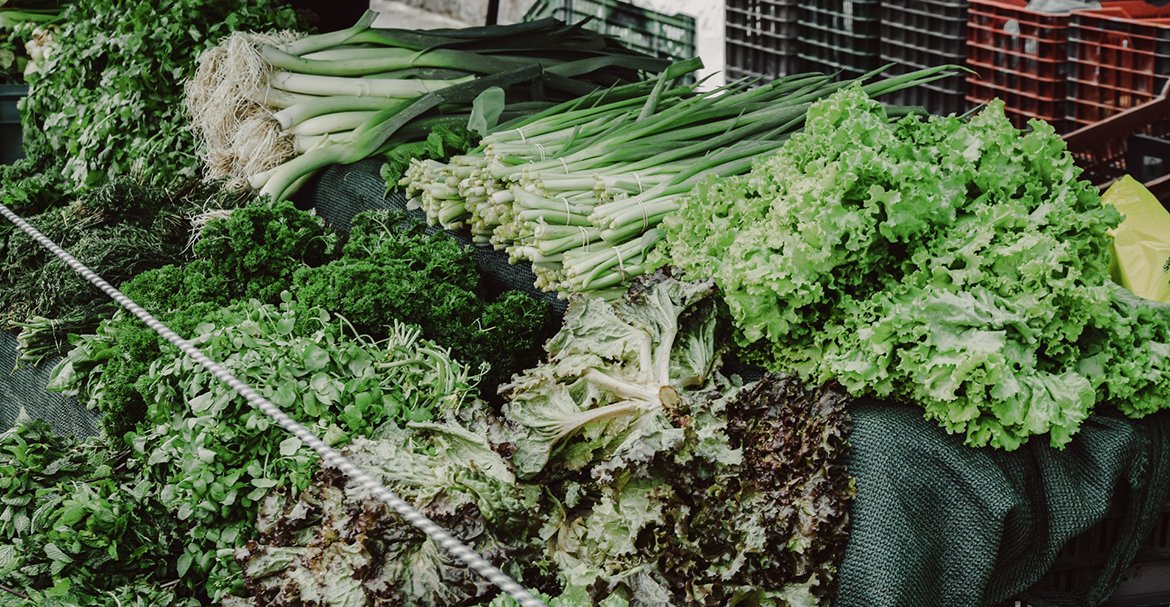
As the demand for sustainable food options increases, organic farming has emerged as a key solution for protecting the environment while providing healthier food for consumers. Unlike conventional farming, which often relies on synthetic chemicals and industrialized methods, organic farming promotes practices that work in harmony with nature. This not only produces food that is safer and more nutritious but also supports the long-term health of the planet. Here’s a closer look at why organic farming is better for the environment and how it promotes sustainability.
1. Reduces Chemical Pollution
One of the most significant differences between organic and conventional farming is the absence of synthetic pesticides, herbicides, and fertilizers. Conventional farming relies heavily on these chemicals to boost yields and control pests. However, these substances can leach into the soil, waterways, and air, causing pollution that harms ecosystems and wildlife.
Organic farming avoids synthetic chemicals, using natural methods to control pests and enhance soil fertility. Techniques such as crop rotation, biological pest control, and organic fertilizers reduce the risk of harmful chemical runoff, keeping our rivers, lakes, and oceans cleaner.
2. Promotes Soil Health
Healthy soil is the foundation of any sustainable farming system, and organic farming prioritizes soil health through practices that improve its structure and fertility. Conventional farming often depletes the soil over time due to heavy use of synthetic fertilizers and monoculture practices (growing the same crop year after year). This leads to soil erosion, reduced fertility, and the need for even more chemical inputs.
Organic farming, on the other hand, uses crop rotation, cover cropping, and composting to maintain and enhance soil fertility. These methods not only improve the nutrient content of the soil but also help it retain moisture and resist erosion. Healthier soil means stronger crops, reduced need for external inputs, and a more sustainable farming system.
3. Supports Biodiversity
Biodiversity—the variety of life in a particular habitat or ecosystem—is critical to maintaining ecological balance. Conventional farming often reduces biodiversity by focusing on single-crop farming (monocultures) and using chemical treatments that kill pests indiscriminately, including beneficial insects and microorganisms.
Organic farming supports biodiversity in several ways. By growing a variety of crops and using natural pest control methods, organic farms create habitats for wildlife, including pollinators like bees and butterflies, which are essential for food production. Additionally, organic farming encourages the presence of microorganisms in the soil, which are vital for nutrient cycling and overall soil health. A diverse ecosystem is more resilient to pests, diseases, and climate change, making organic farming a more sustainable approach.
4. Reduces Greenhouse Gas Emissions
Agriculture is a major contributor to global greenhouse gas emissions, primarily through the use of synthetic fertilizers and intensive livestock farming. Conventional farming practices, such as the production and application of chemical fertilizers, release large amounts of nitrous oxide, a potent greenhouse gas.
Organic farming reduces greenhouse gas emissions by using natural alternatives to synthetic fertilizers, such as compost and manure. Organic methods also tend to use less energy overall, especially in terms of avoiding the energy-intensive production of chemical inputs. Additionally, organic farms often integrate carbon-sequestering practices, such as agroforestry and reduced tillage, which capture and store carbon in the soil, helping to mitigate climate change.
5. Conserves Water
Water is a precious resource, and organic farming helps conserve it by improving soil structure and reducing water runoff. Healthy organic soils have better water retention capabilities, which means that they can hold more moisture during dry periods and reduce the need for irrigation. This is especially important in regions where water is scarce, and it reduces the strain on local water resources.
Conventional farming, which relies on chemical inputs, often leads to water pollution through pesticide and fertilizer runoff. This contamination can affect drinking water sources, harm aquatic life, and lead to issues like algae blooms in lakes and rivers. Organic farming minimizes water pollution by avoiding synthetic chemicals and adopting practices that protect water quality.
6. Encourages Sustainable Livestock Farming
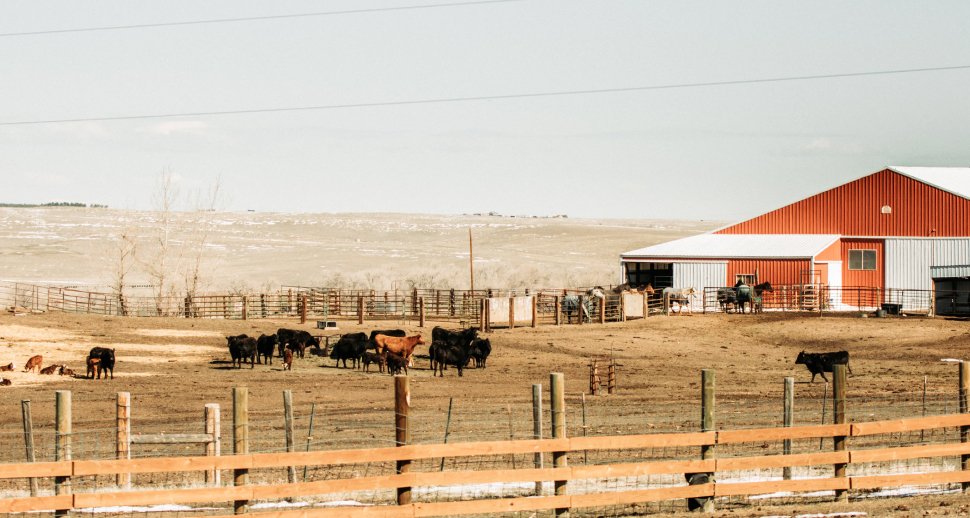
In addition to crop production, organic farming promotes more sustainable and humane livestock farming practices. Organic livestock are raised without the use of growth hormones, antibiotics, or genetically modified feed. They are also given access to outdoor spaces, allowing them to graze and live more naturally, which improves their overall well-being.
Sustainable organic livestock farming also helps reduce the environmental impact of animal agriculture. Grazing animals on organic farms can play an important role in maintaining healthy pastures and ecosystems. They help recycle nutrients back into the soil and support carbon sequestration by promoting grass growth, which captures carbon from the atmosphere.
7. Minimizes Environmental Impact of Packaging and Processing
The environmental benefits of organic farming extend beyond the field. Organic food producers often emphasize sustainable packaging and processing methods. Many organic brands use biodegradable or recyclable packaging, reducing the amount of plastic and waste that ends up in landfills and oceans.
Organic processing methods also avoid the use of harmful chemicals and additives, which are common in conventional food processing. By keeping the food as close to its natural state as possible, organic processing ensures that fewer pollutants are released into the environment.
Conclusion: Organic Farming for a Greener Future
Organic farming is a powerful tool in the fight against environmental degradation and climate change. By eliminating harmful chemicals, promoting soil health, supporting biodiversity, and reducing greenhouse gas emissions, organic farming offers a sustainable alternative to conventional agriculture. It not only produces healthier, more nutritious food but also protects the planet for future generations.
As consumers become more aware of the environmental impact of their food choices, organic farming provides a path toward a more sustainable, eco-friendly food system. Choosing organic is not just a decision for your health—it’s a choice that supports a healthier planet.

Lorem Ipsum is simply dummy text of the printing and typesetting industry. Lorem Ipsum has been the industry\’s standard dummy text ever since the 1500s, when an unknown printer took a galley of type and scrambled it to make a type specimen book.