- Your cart is empty
- Continue shopping
Understanding Organic Food Labels: What Does ‘Organic’ Really Mean?
-
naturalorganics63
- Posted on
- Categories:Eviroments, Family
- 2 comments

As organic foods become more popular, many consumers are left wondering what exactly “organic” means and how to ensure that the products they are purchasing meet the standards for organic certification. Understanding organic food labels can help you make informed choices when shopping, ensuring that you are getting high-quality, environmentally friendly, and health-conscious products. In this guide, we’ll break down what “organic” really means, how organic certification works, and what to look for on labels when buying organic products.
1. What Does ‘Organic’ Mean?
At its core, the term “organic” refers to the way agricultural products are grown and processed. Organic farming promotes sustainability, biodiversity, and environmental stewardship by avoiding synthetic pesticides, fertilizers, GMOs (genetically modified organisms), and other artificial additives.
To be certified as organic, foods must meet specific standards set by regulatory bodies, such as the United States Department of Agriculture (USDA) in the U.S. or similar organizations in other countries. These standards ensure that organic products are grown in a way that is better for both the environment and consumers.
Key Practices in Organic Farming:
Avoidance of synthetic pesticides, herbicides, and fertilizers.
No use of genetically modified organisms (GMOs).
Maintenance of healthy soil through crop rotation, composting, and cover cropping.
Livestock raised without antibiotics or growth hormones.
Use of organic feed for animals and access to outdoor spaces.
2. The USDA Organic Label: What It Means
In the United States, the USDA Organic label is the gold standard for organic certification. This label can be found on a variety of products, from fruits and vegetables to meats, dairy, and processed goods. USDA Organic certification ensures that the product meets strict organic standards from the farm to your table.
Levels of USDA Organic Labeling:
100% Organic: Products labeled as “100% organic” must contain only organic ingredients (excluding water and salt). These products are produced without synthetic additives, GMOs, or prohibited substances.
Organic: Products labeled as “organic” must contain at least 95% organic ingredients. The remaining 5% can include certain approved non-organic substances, but no synthetic additives or GMOs are allowed.
Made with Organic Ingredients: Products with this label must contain at least 70% organic ingredients. The remaining 30% may include non-organic ingredients, but they cannot be GMOs or produced using prohibited substances like synthetic pesticides.
What to Look For: The official USDA Organic seal is usually green and white, but it can also be black and white. When you see this seal, you can be confident that the product has been certified according to the USDA’s rigorous standards.
3. Other Organic Labels to Look For
While the USDA Organic label is the most well-known in the U.S., there are other certifications and labels that you may come across in your organic food shopping. These can provide additional assurances about the quality, sustainability, and ethical standards of the products.
Certified Naturally Grown: This is a peer-reviewed alternative to USDA Organic certification for smaller farms that follow organic practices but may not have the resources to go through the USDA certification process. This label ensures that no synthetic chemicals or GMOs are used in the production process.
Non-GMO Project Verified: While not specifically organic, this label ensures that the product does not contain genetically modified organisms. It’s a good label to look for in combination with organic certification to ensure that your food is free from GMOs.
Fair Trade Certified: Organic products, especially those like coffee, tea, and chocolate, may also carry the Fair Trade Certified label. This ensures that the farmers and workers who produced the food were paid fair wages and worked in safe conditions, making it an ethical choice in addition to being organic.
What to Look For: These labels offer additional assurances and provide more insight into the quality and ethical practices behind the food you’re buying.
4. Organic Meat, Dairy, and Eggs: What the Labels Mean
When it comes to organic animal products like meat, dairy, and eggs, the standards are just as strict. Organic livestock are raised according to stringent guidelines to ensure animal welfare and sustainability.
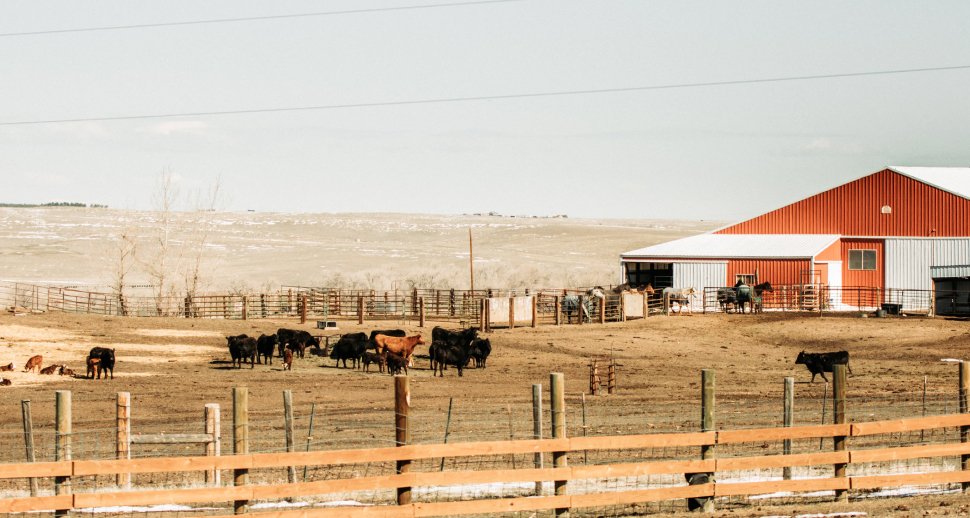
Organic Meat: Animals raised for organic meat must have access to outdoor spaces and must be fed organic, non-GMO feed. Additionally, the use of antibiotics and growth hormones is strictly prohibited. The organic certification also ensures that livestock are raised in humane conditions, supporting both animal welfare and food safety.
Organic Dairy: Organic dairy products come from cows that are raised on organic pastures, and these cows must have access to pasture during the grazing season. They are not given antibiotics or growth hormones, and their feed must also be certified organic.
Organic Eggs: Organic eggs come from hens that are raised on organic feed, and they must have access to the outdoors. Organic eggs are free from antibiotics and synthetic chemicals.
What to Look For: Look for the USDA Organic label on meat, dairy, and eggs to ensure that these products meet organic certification standards for animal welfare, feed, and sustainable farming practices.
5. What Does ‘Natural’ Mean?
It’s important to note that the term “natural” is not the same as “organic.” In fact, the label “natural” is not regulated in the same way and doesn’t guarantee that a product is free from synthetic chemicals, GMOs, or other harmful substances. While “natural” may indicate that a product is minimally processed, it doesn’t meet the rigorous standards of organic certification.
Key Differences:
Natural: May imply that the food is free from artificial ingredients or minimally processed, but it is not regulated and can still contain GMOs, pesticides, or antibiotics.
Organic: Regulated by strict standards, organic products are free from GMOs, synthetic chemicals, and must meet animal welfare requirements.
What to Look For: Be cautious of products labeled “natural” and prioritize those with organic certification to ensure you’re getting the highest quality and safest products.
6. Tips for Shopping Organic
Understanding organic labels is just the first step. Here are some additional tips to help you navigate the world of organic shopping:
Prioritize Organic for the Dirty Dozen: If you’re on a budget, consider buying organic for the “Dirty Dozen”—a list of produce items that tend to have the highest pesticide residue, such as strawberries, spinach, and apples. For the “Clean Fifteen,” items like avocados and onions, going non-organic is often considered safe.
Look for Seasonal Organic Produce: Organic fruits and vegetables are often cheaper when they’re in season. Shopping seasonally can help you save money while still getting high-quality organic foods.
Buy Organic in Bulk: For pantry staples like organic grains, beans, and nuts, buying in bulk can reduce costs and help you keep your kitchen stocked with healthy, organic ingredients.
Conclusion: Choosing Organic with Confidence
Understanding organic food labels is key to making informed choices about the food you buy. Whether you’re looking for USDA Organic certification, Non-GMO Project verification, or Fair Trade practices, knowing what each label represents allows you to align your food choices with your health, ethical, and environmental values. By focusing on certified organic products, you can ensure that you’re supporting sustainable farming, animal welfare, and your own well-being every time you shop.

Easy to setup (if you follow the doc) and awesome design !
Mobile version is really good !
Beautiful theme. Love it.
Keep update & improve